Neutral version
NewsSolar Eclipse and Perseid Meteor Shower Light Up the Sky on August 12
Average fidelity
Source spectrum
4 sources · 1 min read
Neutral text generated by AI and reviewed by a human editor before publication.
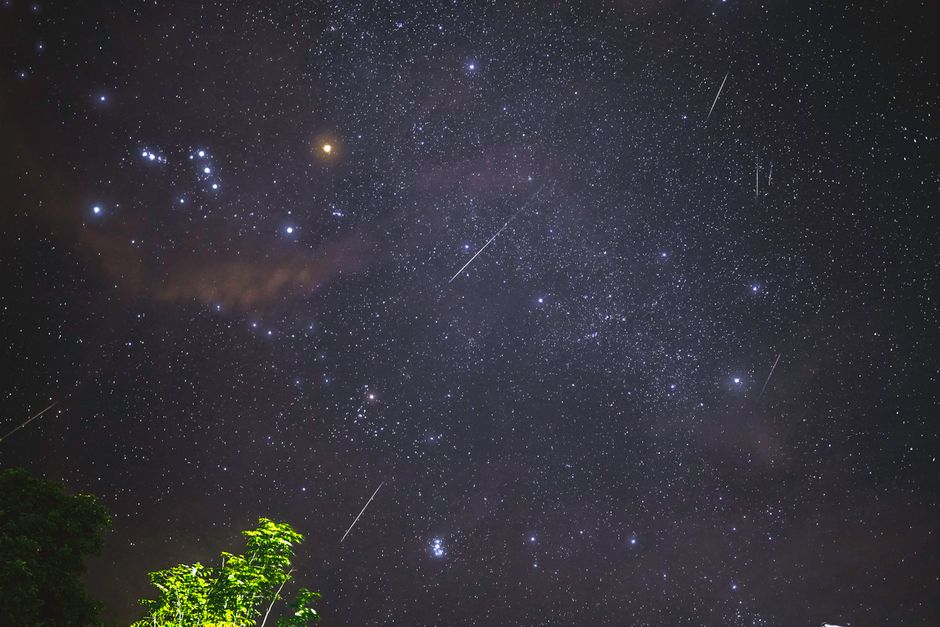
On August 12, 2026, two astronomical phenomena will coincide in the night sky: a partial solar eclipse and the peak of the Perseid meteor shower, commonly known as falling stars. Up to 100 meteors per hour are expected to be visible, an amount that several sources describe among the most notable celestial displays of the decade.
The Perseids occur every year when Earth passes through a trail of dust and small debris left behind by comet Swift-Tuttle. Upon entering the atmosphere, these fragments burn up, producing the flashes of light known as shooting stars. The display is visible to the naked eye, especially in areas away from artificial light.
The solar eclipse adds to the evening's astronomical interest. Scientific sources recall that sunlight takes just over eight minutes to travel the approximately 150 million kilometers separating the Sun from Earth, while the energy generated in the star's core requires a much longer time to reach the surface before beginning its journey through space.
The popular tradition linked to the Night of San Lorenzo associates the luminous trails with the tears of Saint Lawrence, and it is customary to make a wish upon seeing a falling star. This cultural custom, rooted in Italian folklore, continues to accompany the observation of the phenomenon.